The Decarbonisation Accelerator Framework
Practical roadmap to decarbonisation
Suppliers across the fashion and luxury value chain differ widely in how they approach decarbonisation: some have built strong environmental governance, but have made limited progress in actually reducing emissions, while others are cutting emissions without yet having formalized reporting or targets in place.
The goal of the Decarbonisation Accelerator Framework is to provide a voluntary self-assessment tool to help suppliers clearly understand where they stand in their decarbonisation journey and identify individually and confidentially the most relevant next steps to progress while balancing environmental impact, technical feasibility, and economic returns.
The Framework has been developed from the Questionnaire’s data and a pilot scheme – engaging a diverse group of suppliers spanning textile manufacture, tanneries, metallic and plastic accessory manufacturers and finished product manufacturers.
Progress self-assessment
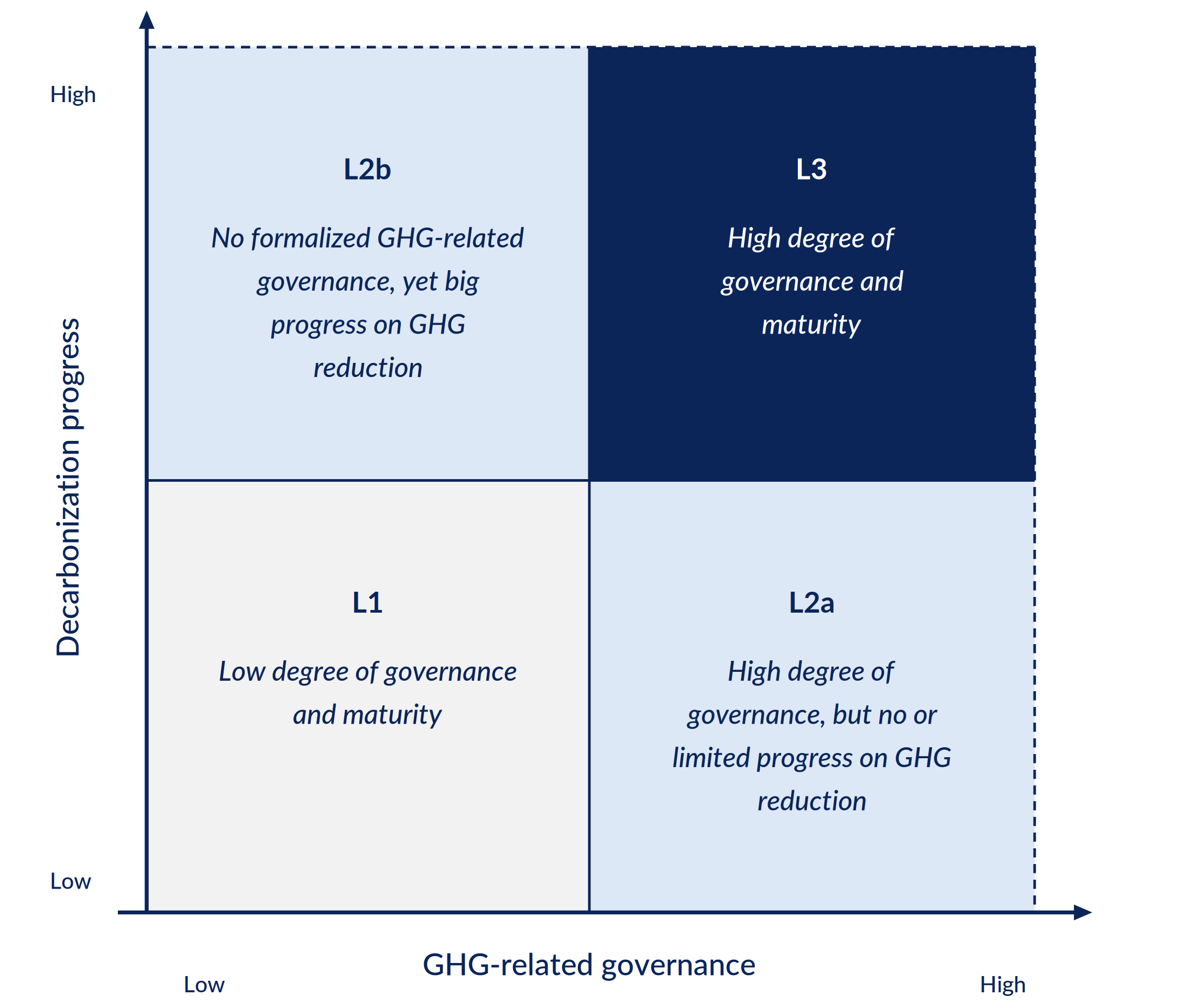
The Framework enables each supplier to position its sites on a two-dimensional matrix, combining the strength of its GHG-related governance with its actual progress in reducing emissions.
- GHG – related governance (x-axis) — reflecting the degree to which a company has formalized its GHG – related governance structure.
- Decarbonisation progress (y-axis) — reflecting the concrete actions a company has taken to reduce emissions.
The Framework is applied at site-level, meaning a company operating multiple production sites will therefore receive a separate result for each site.
Access the Framework below.
The two-axis matrix defines four possible profiles (click to enlarge):
Concrete actions for decarbonisation
To help suppliers translate their self-assessment results into concrete action, the European Accelerator has developed a practical implementation Playbook, including the following supplier case studies highlighting successful decarbonization initiatives.
-
Case study
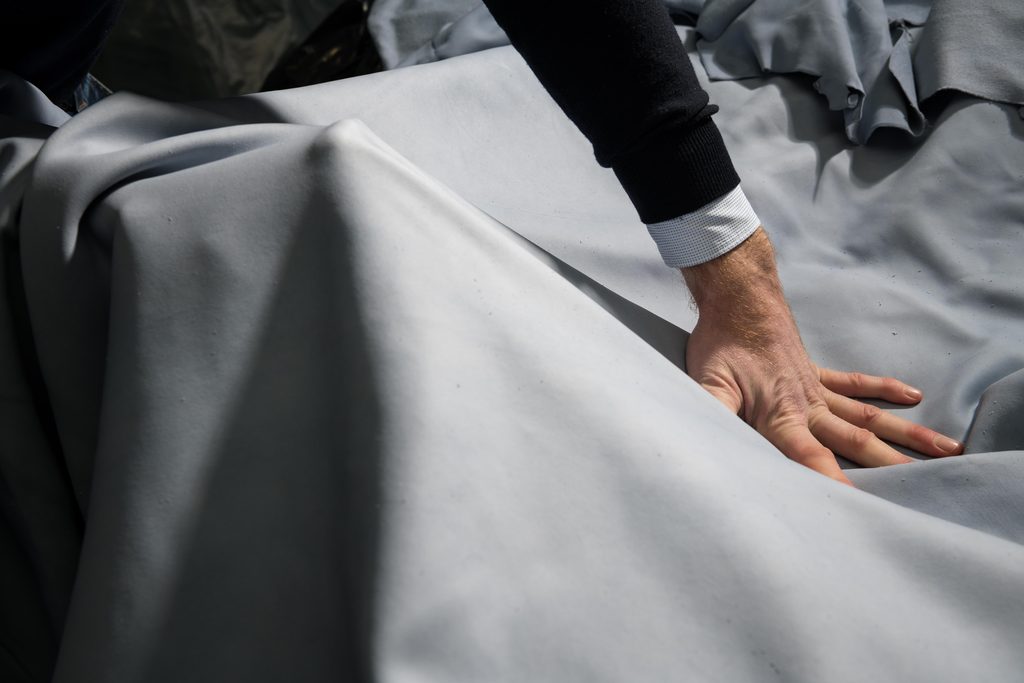
Jaco Pellami
Case study Combining automation, efficiency, and renewables Key facts Jaco Pellami is… Read more
-
Case study
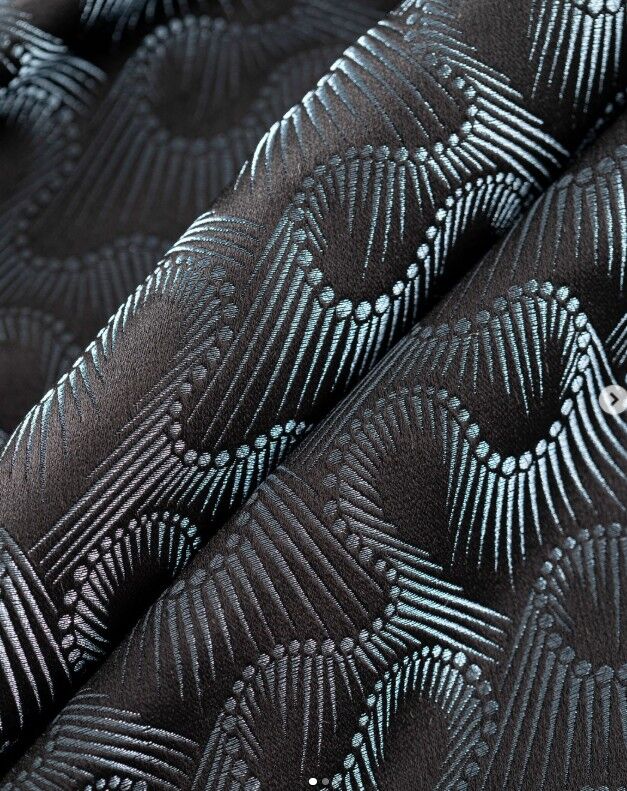
Clerici Tessuto
Case study Honouring history through a sustainable future Key facts Clerici Tessuto… Read more
-
Case study
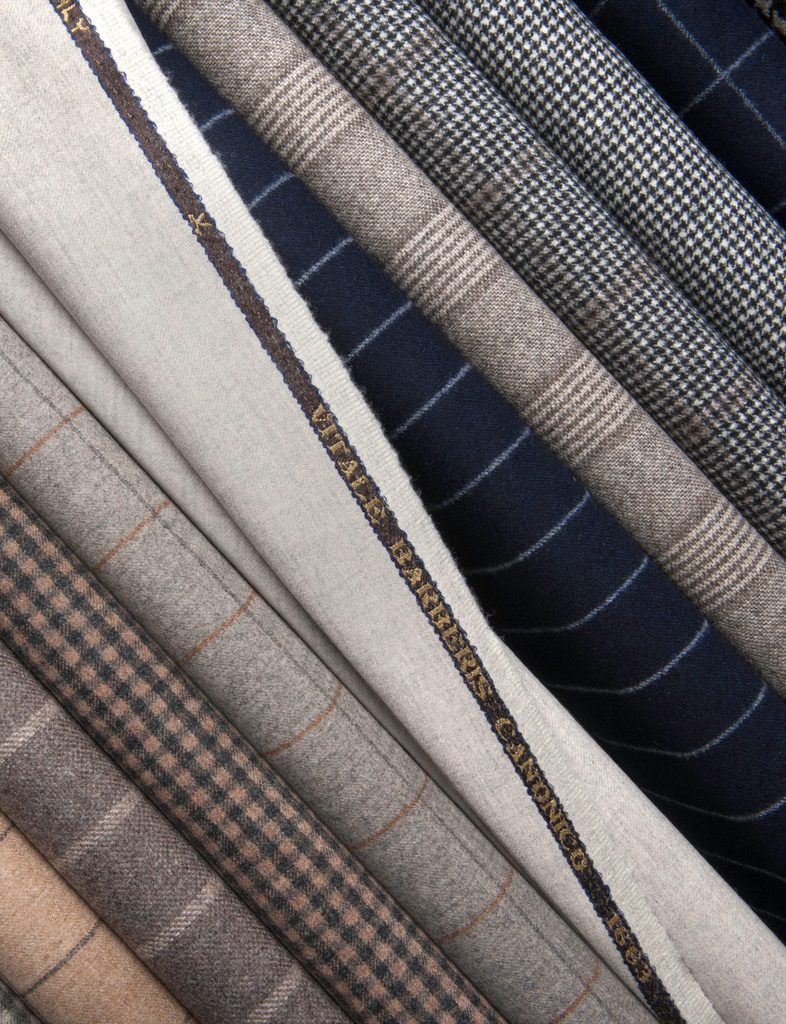
Vitale Barberis Canonico
Case study Heritage, Innovation and Commitment Key facts Guided by the same… Read more
-
Case study
Tintoria Finissaggio 2000
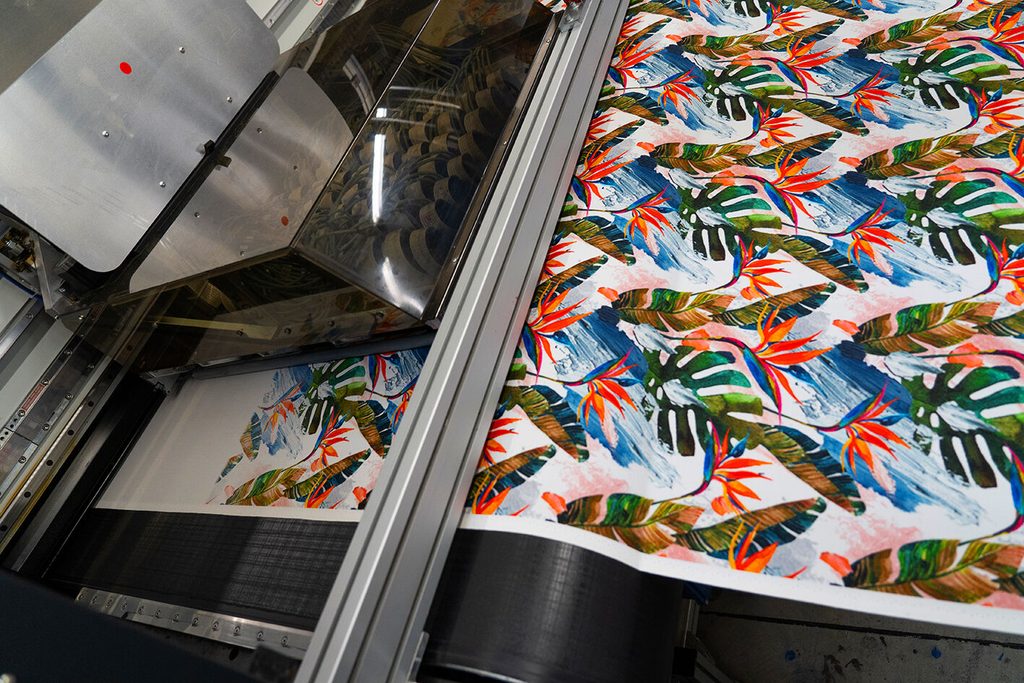
Case study Tintoria Finissaggio 2000 is a family-run dyeing and finishing house,… Read more
-
Case study
Gruppo Florence
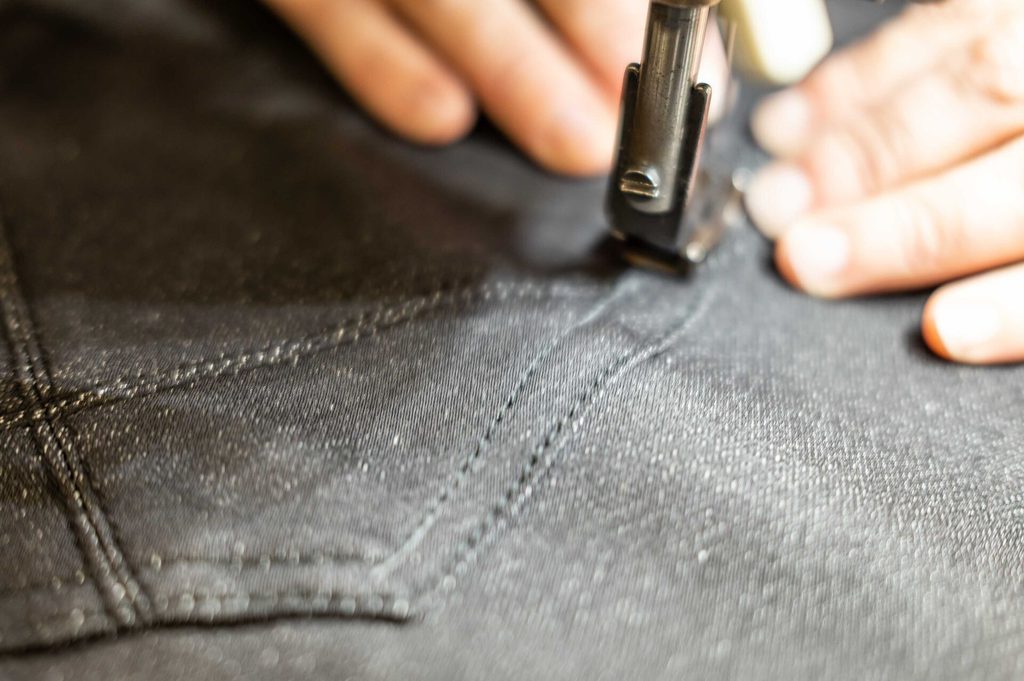
Case study How renewable electricity and electrification at Gruppo Florence’s Ideal Blue… Read more
The Framework has been developed with input from key industry stakeholders including Confindustria Moda, Istituto di Certificazione della Qualità per il Settore Conciario (ICEC), and Consorzio Physis.
You can find the Framework and Playbook within the Questionnaire.
The full methodology is available here.
The questionnaire
Partners


