Case study
Heritage, Innovation and Commitment
Vitale Barberis Canonico
Key facts
- Revenue class: €125 – 150M
- Number of employees: 350 – 500
- Sites: 2
- Featured sites: Pratrivero and Pray (Biella district)
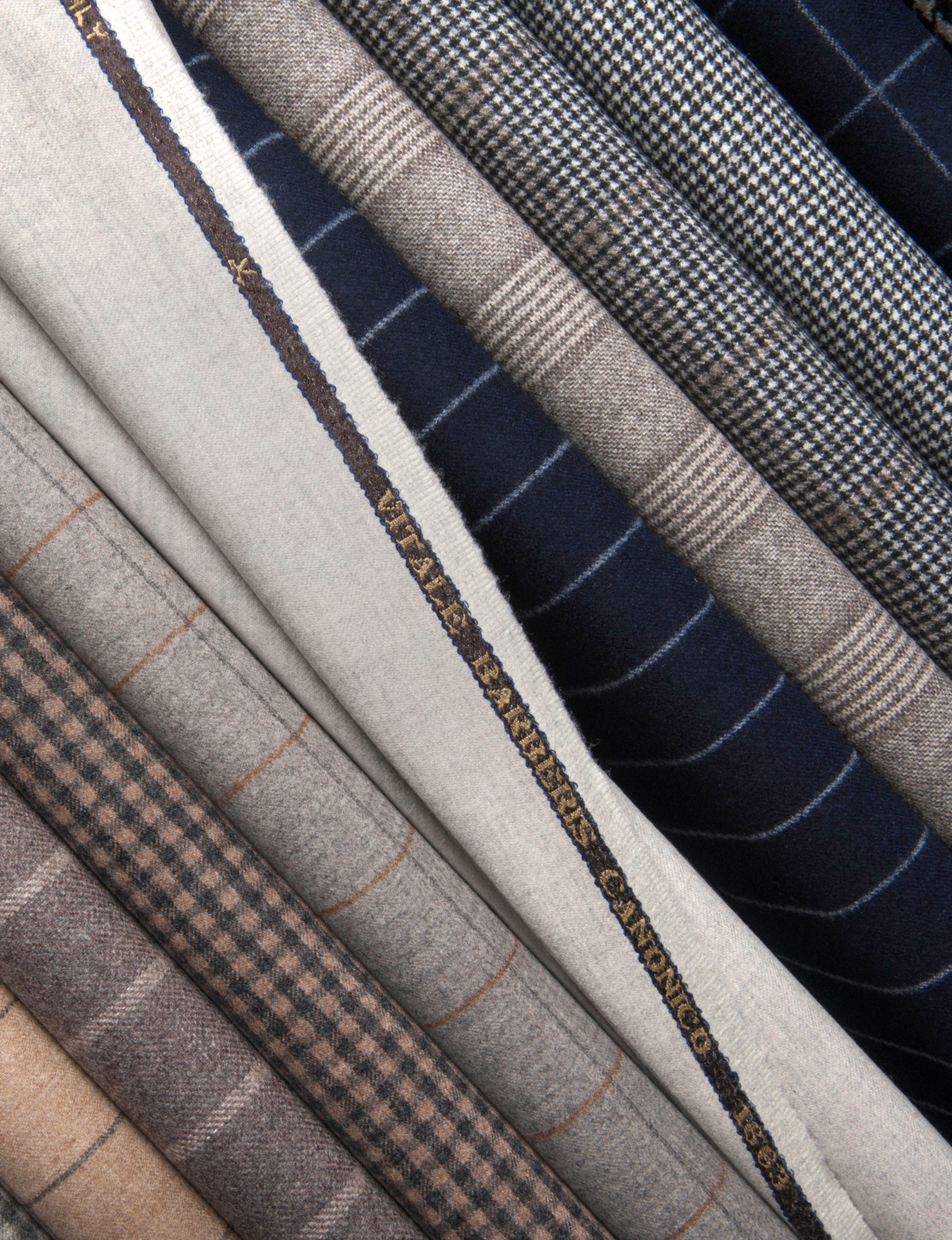
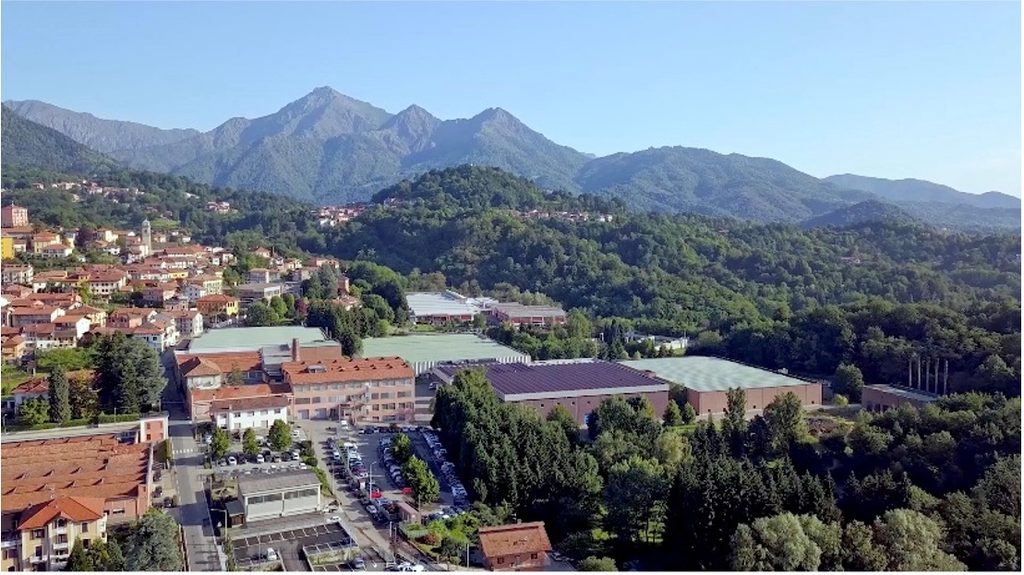
Guided by the same family since 1663, Vitale Barberis Canonico is one of the oldest wool mills in the world. Wool processing takes place at its Pratrivero and Pray mills, in the heart of the Biella district, known for the quality of its waterways. Across the two sites, the family-owned business carries out full-cycle wool production: from spinning and dyeing, to warping, weaving and finishing processes, producing around 7m metres of fabric for the premium and luxury market annually.
Environmental Strategy
Vitale Barberis Canonico views sustainability as a balance between economic strength, social responsibility and environmental stewardship. People, environment and product guid the Company’s decisions, fostering long-term value creation while maintaining a strong bond with the Biella territory.
While no longer subject to the CSRD reporting requirements, the Company has chosen to continue its reporting journey on a voluntary basis, publishing an annual sustainability report since 2018, ensuring continuity and comparability in ESG performance disclosure.
Sustainability is supported by an integrated management system, covering occupational health and safety, environmental protection and quality management, certified according to UNI EN ISO 45001, UNI EN ISO 14001 and UNI EN ISO 9001 standards.
This approach is complemented by a strong focus on the selection and traceability of raw materials, supported by the Responsible Wool Standard (RWS) and Responsible Mohair Standard (RMS) certifications.
Vitale Barberis Canonico is committed to the responsible management of natural resources and the adoption of advanced technologies to reduce its environmental impact. Through targeted investment, the Company promotes energy efficiency, the use of renewable energy sources and the reduction of emissions, while also implementing advanced systems for water treatment, recovery and reuse to support its dyeing and finishing processes.
Lucia Bianchi Maiocchi, Chief Sustainability OfficerOur connection with the local community and the territory is a legacy we have inherited and a fundamental principle that continues to guide our investment decisions.
Key data
~9,000 t CO2eq
emissions saved from 100% Certified Renewable Electricity1
~100 t CO2eq
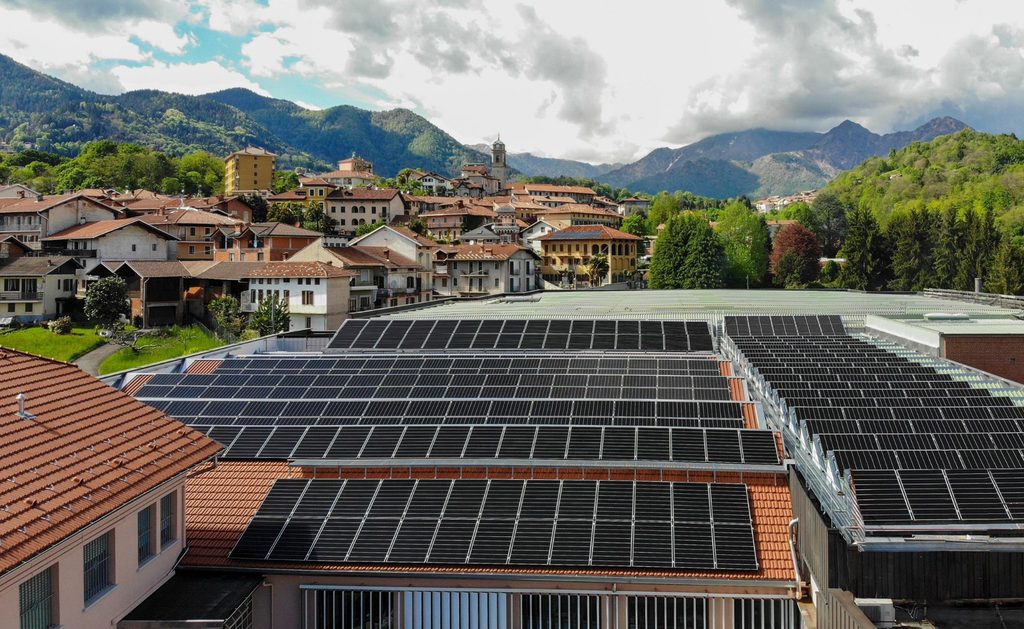
emissions saved from On-Site Solar Energy Production2
Decarbonization Approach and Impact
Renewable energy
Vitale Barberis Canonico’s decarbonisation pathway is being driven by a range of targeted investments. In addition to sourcing 100% of its electricity from renewable energy certified through Guarantees of Origin, the Company has invested in solar self-generation through a 350 kWp photovoltaic system.
Electrification
Among the most significant initiatives is the introduction of a new hybrid-heated finishing line. This combines indirect steam for the drying phase with electric radiators for heat-setting, delivering benefits in terms of energy efficiency, emissions reduction and improved workplace safety standards through the elimination of the direct use of natural gas.
Supporting this transition are heat recovery systems that harness energy from air compressors to produce hot water, inverter installations and electrical distribution optimisation measures, as well as a programme for the gradual replacement of conventional lighting with high-efficiency LED systems.
Water Stewardship & Circular Water Management
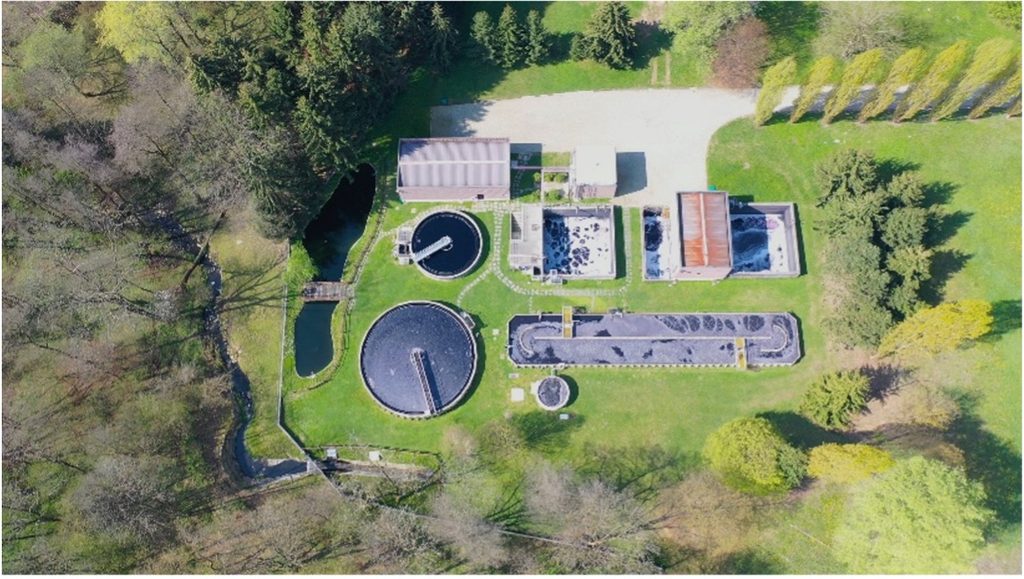
Vitale Barberis Canonico is committed to using the region’s natural water resources responsibly. Since 1987, the Company has developed an integrated system for water abstraction, treatment, recovery and reuse, supported by an on-site wastewater treatment plant that is continuously upgraded with the best available technologies.
Among the most significant recent initiatives are the introduction of ultrafiltration lines with membrane bioreactors (MBR) and ozone decolourisation systems. These enable the recovery of treated water for reuse in production processes, while the portion that is not reused is safely returned to the environment through discharge into surface waters in compliance with stringent regulatory standards.
Thanks to these investments, together with technical measures implemented in the dyeing and finishing departments, the share of recycled and reused water has now reached 38%, helping to reduce water withdrawals and support an increasingly circular and efficient production model.
1. Vitale Barberis Canonico sustainability report
2. Vitale Barberis Canonico sustainability report
Looking ahead
On-site solar energy production is set to expand with a new 500 kWp photovoltaic system, increasing total installed capacity to 850kWp.
New storage tanks for ultrafiltered water are due to be installed to maximise its reuse in finishing processes.
-
Case study
Clerici Tessuto
Case study Honouring history through a sustainable future Key facts Clerici Tessuto… Read more
-

Case study
The Decarbonisation Accelerator Framework
Practical roadmap to decarbonisation Suppliers across the fashion and luxury value chain… Read more
The information contained in these case studies has been provided by the relevant suppliers and is included in the Decarbonisation Accelerator Framework for illustrative and informational purposes only. The Fashion Pact has not verified the information provided, and makes no representation or warranty as to its accuracy, completeness or reliability. The case studies should not be regarded as an endorsement or recommendation by The Fashion Pact of the suppliers concerned or of their products or services.