Case study
How renewable electricity and electrification at Gruppo Florence’s Ideal Blue site support decarbonization, improve working conditions and reduce operating costs.
Gruppo Florence
Key facts
- Revenue class: €600 – 700M
- Number of employees: > 4,800
- End markets: Ready-to-wear apparel, leather goods, footwear and intermediate processing
- Featured site: Ideal Blue, Urbania (Pesaro-Urbino)
Gruppo Florence is an integrated manufacturing platform working with international luxury and fashion brands. It currently operates 34 divisions across eight business lines by product category.
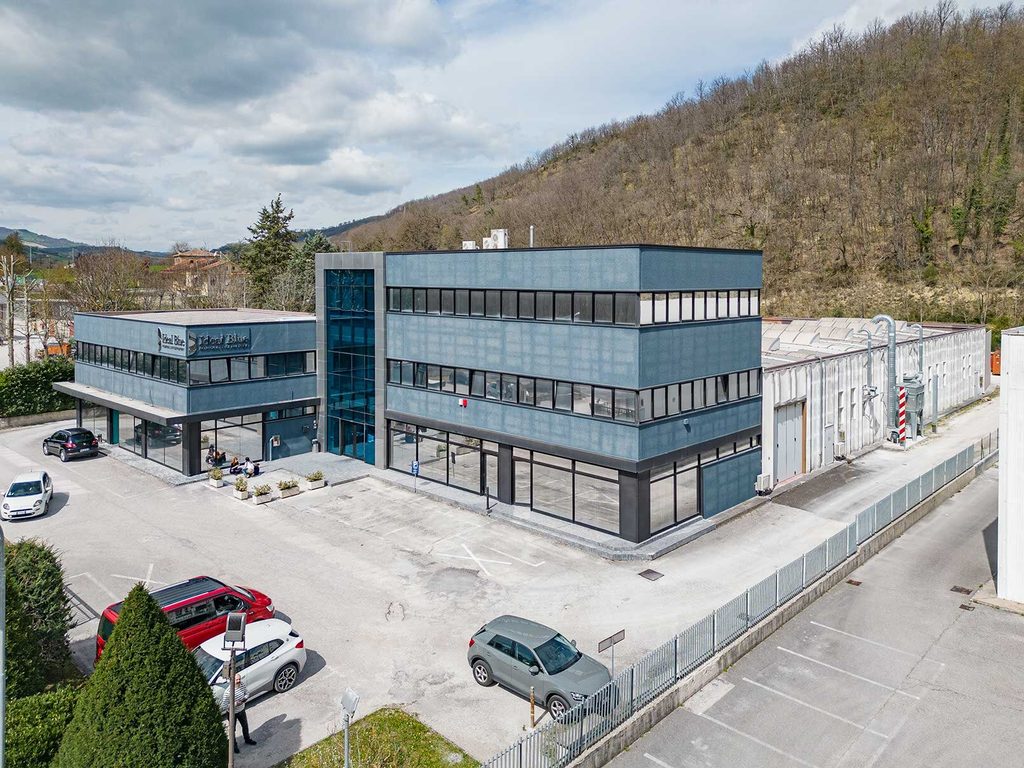
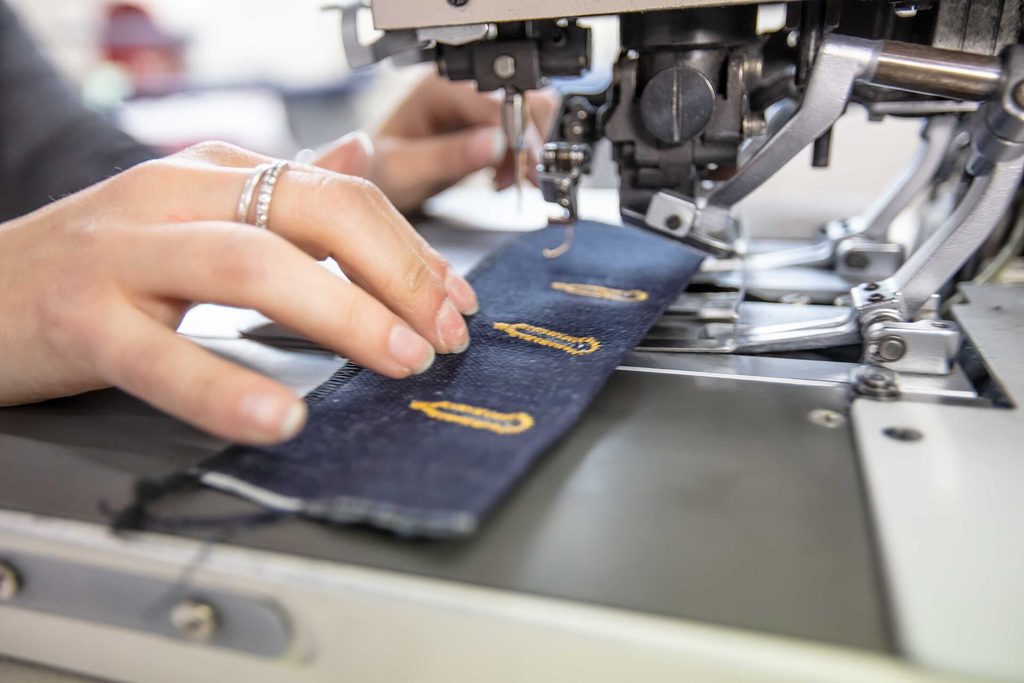
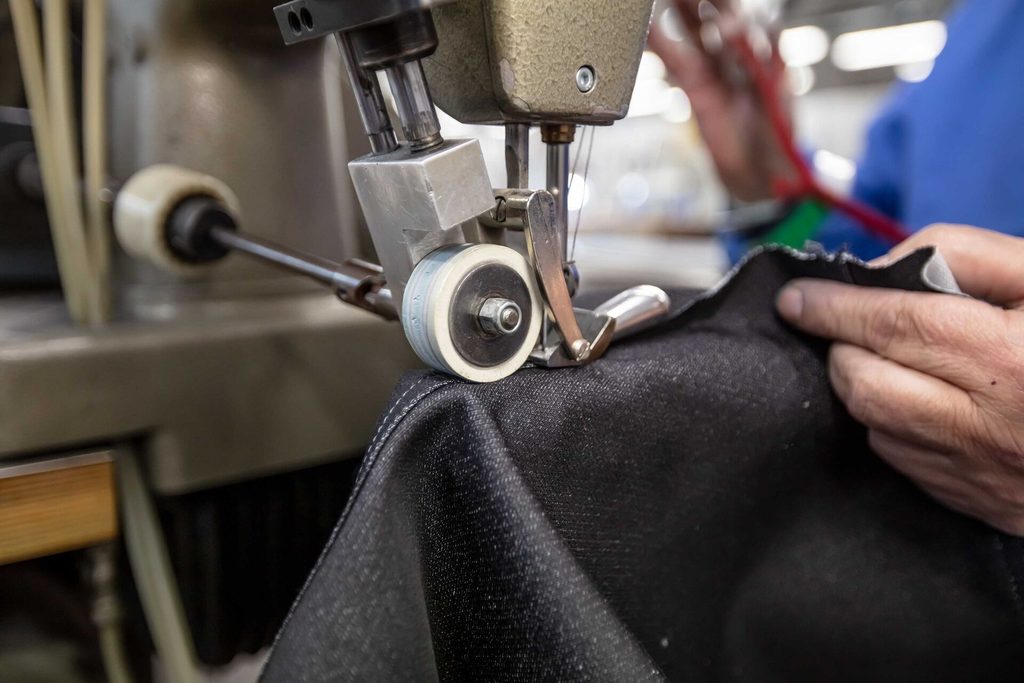
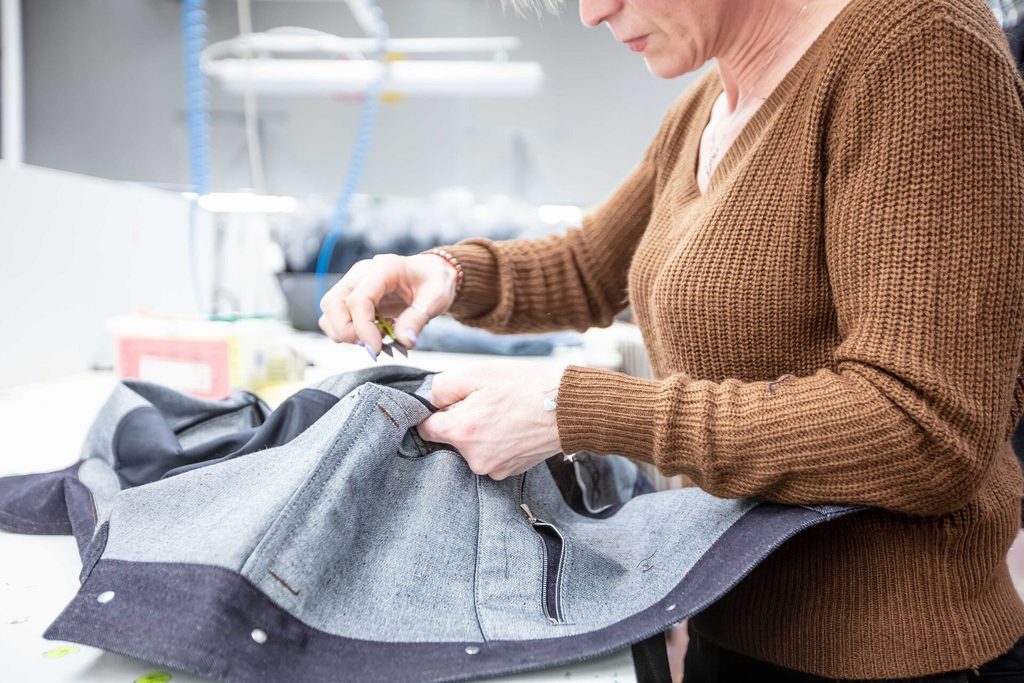
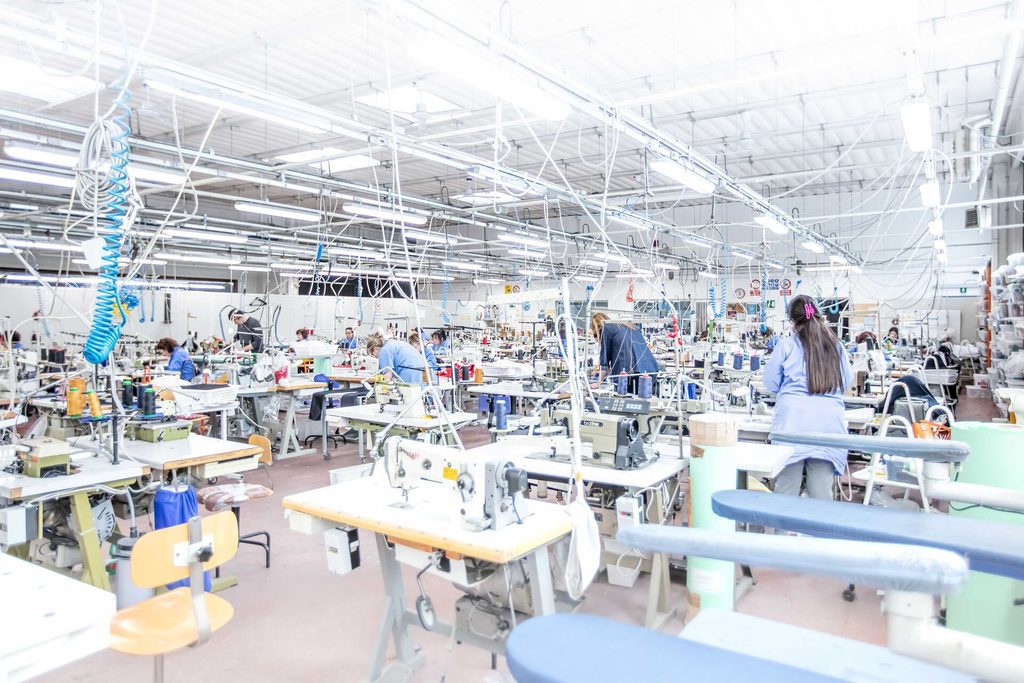
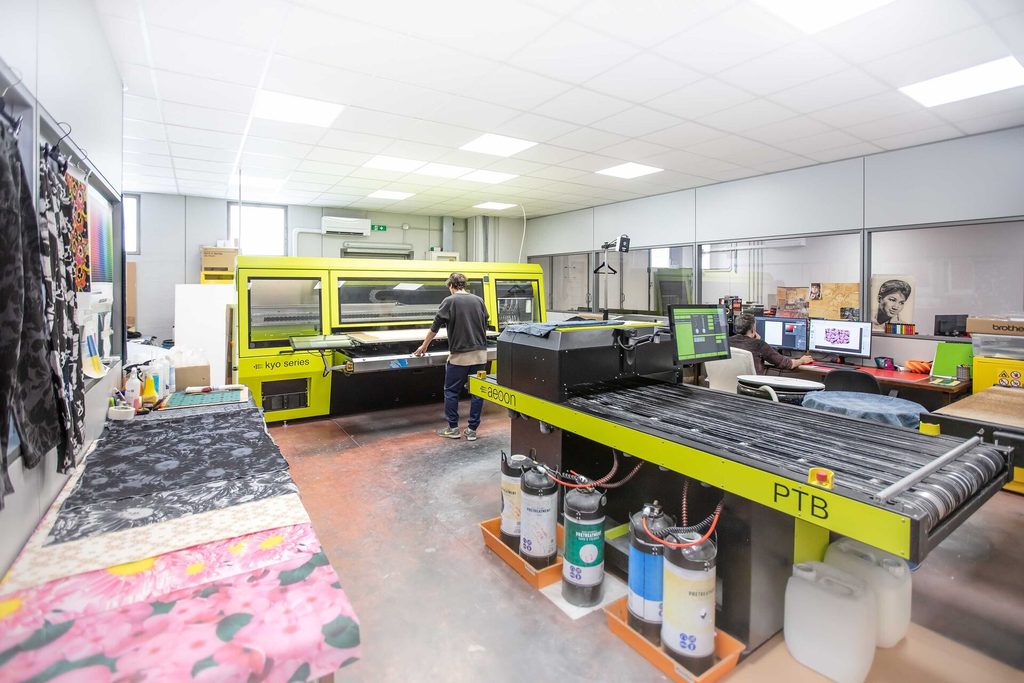
Its Ideal Blue site, in Urbania, houses design and sampling, sewing, special treatments, quality control and ironing and finishing of denim garments and accessories. It produces more than 230,000 items annually.
Environmental Strategy
The sustainability division is structured into three dedicated central teams focused on CSR & Supply Chain Qualification, Environment & Climate Change, and Certification & Reporting. These teams are responsible for defining common standards, targets, and reporting processes. Supporting the business lines, dedicated ESG Coordinators ensure direct alignment with central strategy and drive the implementation of sustainability initiatives within daily operations.
This combines central direction and oversight with the operational knowledge of the Group’s manufacturing businesses.
In July 2025, the Group’s science-based emissions reduction target was validated, setting out the reductions to be achieved by 2033.
The Group’s environmental approach extends across its divisions to chemical management and circularity. As a ZDHC Friend Vendor, Gruppo Florence rolled out an independent Chemical Management System in 2025 to strengthen chemical risk management and monitor water use in wet processes. Circularity initiatives include a partnership with Weturn, which supports the recovery and transformation of textile production scraps into new materials, helping reduce reliance on virgin resources.
At Gruppo Florence, sustainability is an industrial choice rather than merely a statement of intent: it is measured along processes, built through people, and conveyed through the facilities that give shape to Made in Italy every day.
Valentina Boffi, Chief Sustainability Officer
Key data
€20,000– 30,000
annual cost savings thanks to photovoltaic and electrification1
235 t CO2eq
approx. annual emissions saved thanks to photovoltaic, renewable electricity purchased and electrification2
Decarbonization Approach and Impact
Renewable electricity
A 132 kWp photovoltaic system is currently being installed on parts of the Ideal Blue roof, is expected to generate around 160,000 kWh per year. This would cover an estimated 33% of the site’s electricity demand and avoid an estimated 50 tCO2eq annually.
The investment has been structured as an operating lease rather than a direct purchase. This means a fixed monthly fee is paid over 10 years, set at a level equivalent to or lower than the cost of buying the same amount of electricity from the grid. Design, installation, management and maintenance costs have been included in the contract. This removed upfront capital requirements, so there is no traditional payback period to calculate. The investment method generates an estimated annual saving of €10.000-15.000.
Since January 2025, 100% of the electricity purchased from the grid has been covered by Guarantees of Origin, avoiding an estimated 140 tCO2eq annually on a market-based accounting basis.3
Electrification
The site’s gas-fired heating system has been replaced by a reversible heat pump system, comprising four independently operated subsystems. This eliminates the use of fossil fuels for space heating and provides cooling to the production department for the first time, improving working conditions during warmer periods.
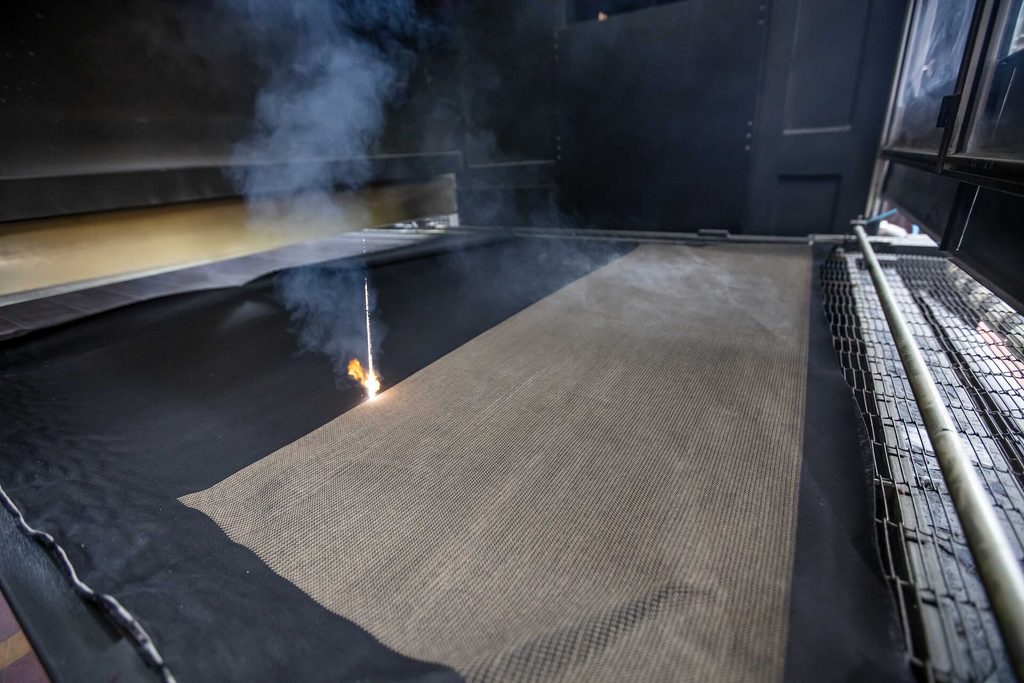
The main technical challenge was integrating the new air distribution with the plant’s existing industrial extraction system in the Laser area, where air-exchange rate requirements differ from the rest of the site. The switch is estimated to avoid around 45 tCO2eq annually net of the cooling service added, with an estimated annual saving of €10,000 -15,000 and a payback time of around 10 years.4
1. Quantis calculation for efficiency measures based on average Italian grid electricity prices (source: Eurostat)
2. Quantis calculation based on Italian grid emission factors market-based (source: AIB 2025)
3. Gruppo Florence’s own calculations
4. Quantis calculation for efficiency measures based on average Italian grid electricity prices (source: Eurostat) and emission factors market-based (source AIB 2025)
Looking ahead
Steam for the site’s ironing operations is still produced by a natural gas boiler. Progressively electrifying this process is a potential next step for the site, in line with the Group’s broader decarbonization guidelines and targets.
-
Case study
Tintoria Finissaggio 2000
Case study Tintoria Finissaggio 2000 is a family-run dyeing and finishing house,… Read more
-
Case study
Vitale Barberis Canonico
Case study Heritage, Innovation and Commitment Key facts Guided by the same… Read more
-

Case study
The Decarbonisation Accelerator Framework
Practical roadmap to decarbonisation Suppliers across the fashion and luxury value chain… Read more
The information contained in these case studies has been provided by the relevant suppliers and is included in the Decarbonisation Accelerator Framework for illustrative and informational purposes only. The Fashion Pact has not verified the information provided, and makes no representation or warranty as to its accuracy, completeness or reliability. The case studies should not be regarded as an endorsement or recommendation by The Fashion Pact of the suppliers concerned or of their products or services.