Case study
Honouring history through a sustainable future
Clerici Tessuto
Key facts
- Revenue class: €25 – 50M
- Number of employees: 250 – 500
- Sites: 4
- Featured site: Grandate (Como)
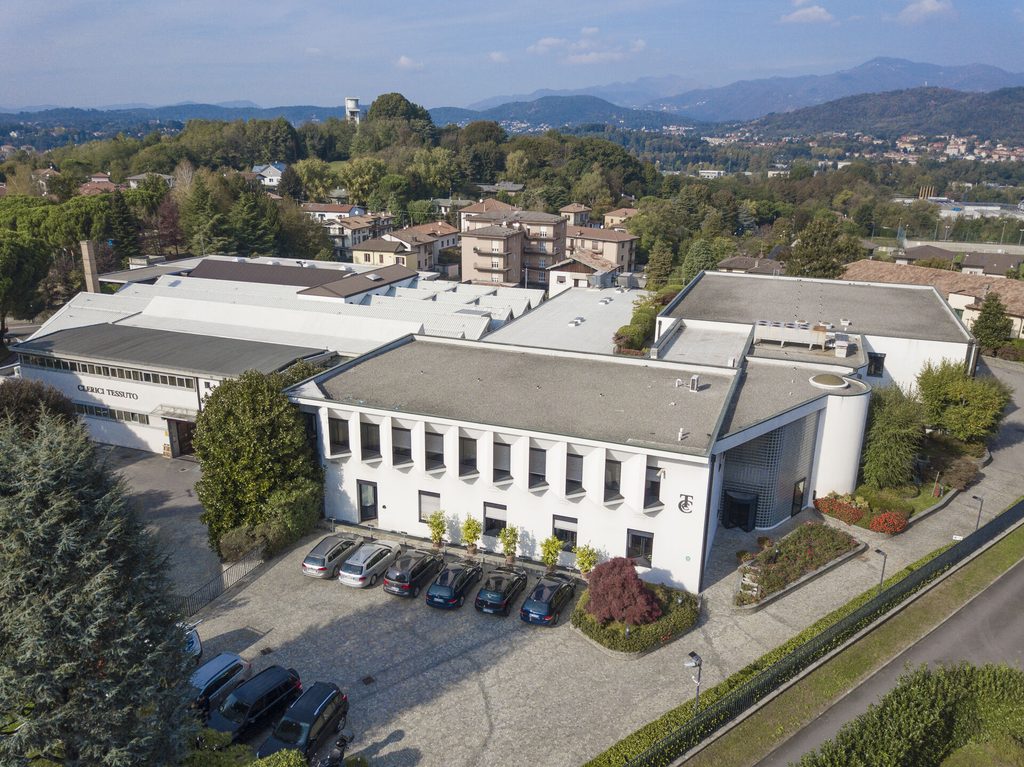
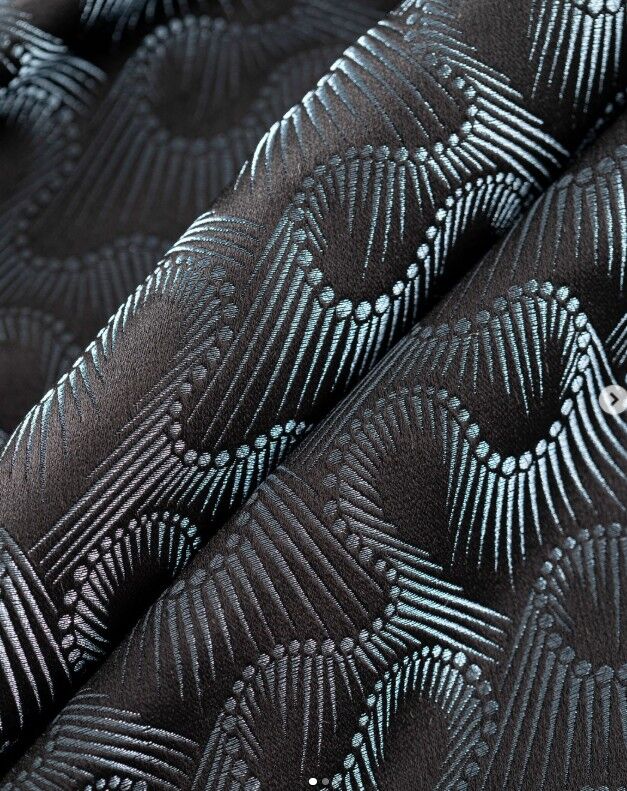
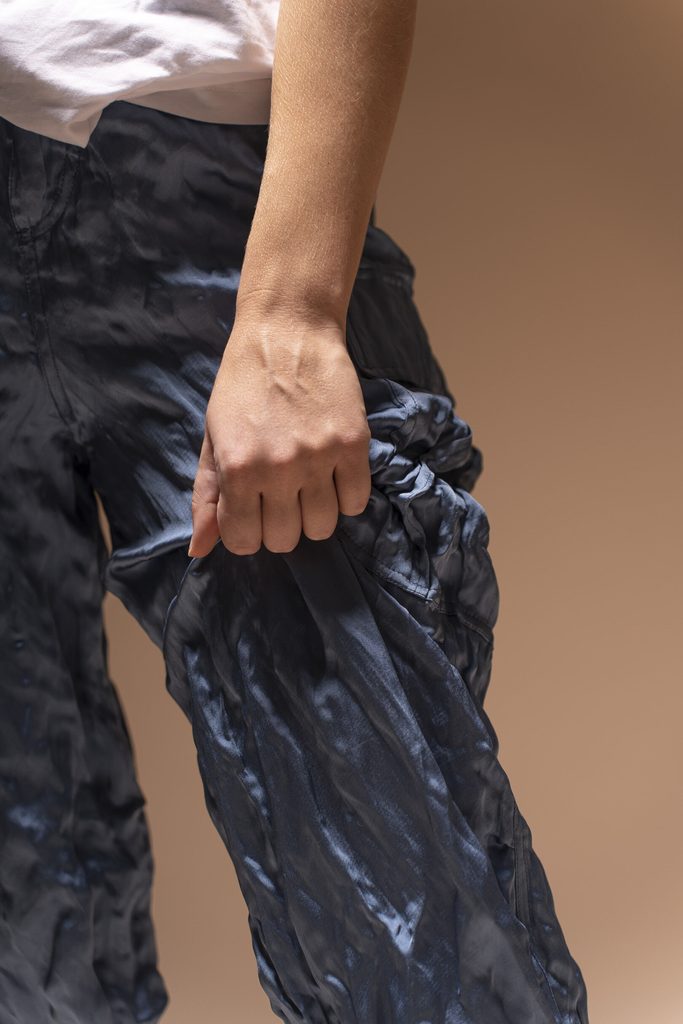
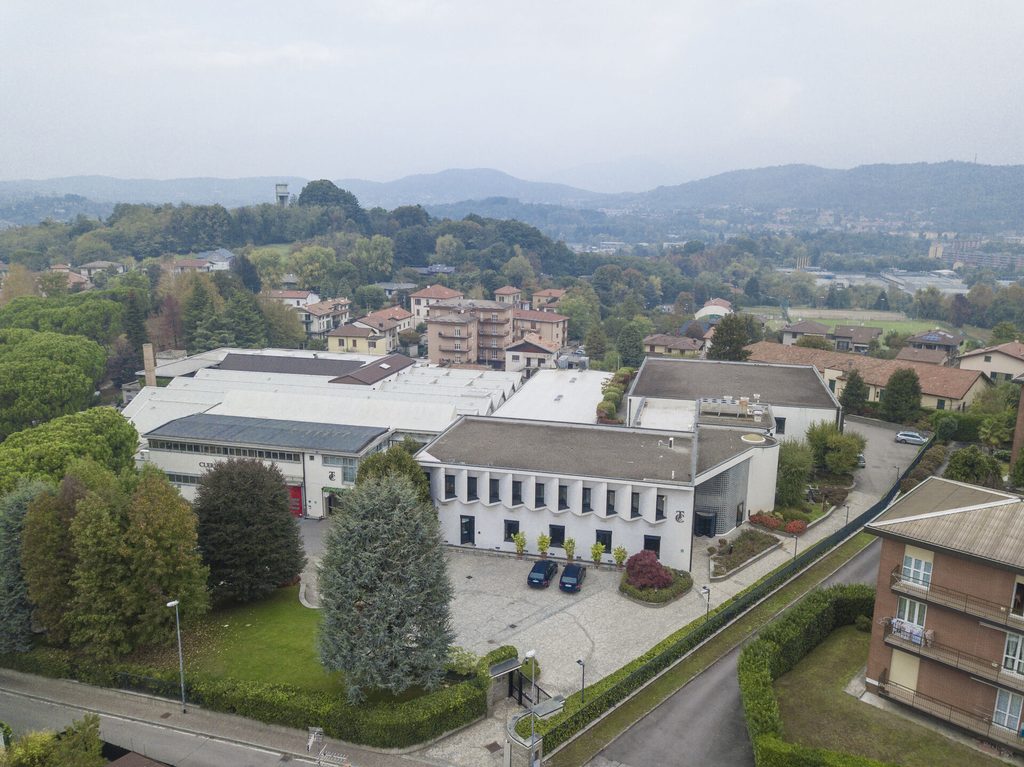
Clerici Tessuto is a family-owned textile group, founded in Italy in 1922. It specialises in luxury fabrics for womenswear, menswear, beach & bodywear, accessories, and home furnishing.
It operates across four sites; a combined HQ and weaving mill, a logistics hub, a digital printing plant, and a finishing plant.
Environmental Strategy
Responsibility for sustainability is embedded throughout Clerici Tessuto. CEO Stefano Bernasconi sets medium-to-long-term objectives, while the Board of Directors reviews the organization’s environmental metrics on a bimonthly basis and approves the annual Sustainability Report.
The dedicated Sustainability Team, comprising an ESG Manager and the Head of Management Systems, coordinates activities and data collection across the company. Environmental initiatives are woven directly into strategic planning and annual programmes, with investment decisions assessed on a project-by-project basis.
Sustainability is not an obligation for us, imposed by regulation or a market opportunity, but a founding value: it means honouring over a hundred years of history by taking on the responsibility of handing down to future generations a company, a supply chain and a planet better than we found them.
Stefano Bernasconi (CEO)
Key data
€28,000
approx. annual cost savings thanks to photovoltaic system4
At least
400 t CO2eq
annual savings thanks to photovoltaic system and GOs1
Decarbonization Approach and Impact
Raw material sourcing and traceability
More than 80% of the company’s output retains certification throughout processing, while the use of certified renewable fibers is growing.
Energy efficiency
Almost 80% of its weaving assets are fitted with inverters and high-efficiency motors, allowing power consumption to be adjusted automatically to each loom’s needs, reducing unnecessary electricity use without affecting production.
Around 90% of the site’s lighting fixtures have been converted to LED2. The company also carries out periodic optimization of its compressed-air system, including the replacement of valves and piping to limit energy losses from leaks.
Reduced energy consumption, has lowered electricity bills and reduced exposure to future price increases, typically with a payback period of under 3 years3.
Renewable electricity
A 197 kWp photovoltaic system installed at Grandate, covers all the roof space available at the site, and has been operational since 2024. It has allowed Clerici Tessuto to produce a growing share of its own electricity. In 2025, the system met 8% of the site’s demand, saving an estimated €28,0004 and avoiding an estimated 50 tCO2eq5 emissions. The payback period is expected to be around 7 years.6
Remaining electricity needs are met through Guarantees of Origin from renewable sources. In total renewable electricity accounts for over 90% of the site’s total electricity consumption in 2025, significantly reducing the site’s Scope 2 emissions.
Electrification
At Grandate, heating needs are met through a mix of technologies: the office building is heated using heat pumps, installed around five years ago. By replacing gas with electricity, heat pumps reduce the site’s direct emissions, further supported by self-generated solar energy and certified renewable electricity.
Collection and recycling
Clerici Tessuto joined the Retex.Green consortium in 2022, supporting the collection and recycling of textile waste.
1. Quantis calculation based on Italian grid emission factors, market-based (source: AIB 2025)
2. All information in the section is coming from Clerici Tessuto’s own calculations
3. All information in the section is coming from The Fashion Pact’s own repository
4. Quantis calculation based on average Italian grid electricity prices (source: Eurostat)
5. Quantis calculation based on Italian grid emission factors, market-based (source: AIB 2025)
6. Quantis calculation based on average Italian grid electricity prices (source: Eurostat)
Looking ahead
Photovoltaic installation
Solar panels installation at the company’s headquarter
Rainwater collection
A rainwater collection system will be installed at the Orvieto site.
-
Case study
Jaco Pellami
Case study Combining automation, efficiency, and renewables Key facts Jaco Pellami is… Read more
-

Case study
The Decarbonisation Accelerator Framework
Practical roadmap to decarbonisation Suppliers across the fashion and luxury value chain… Read more
The information contained in these case studies has been provided by the relevant suppliers and is included in the Decarbonisation Accelerator Framework for illustrative and informational purposes only. The Fashion Pact has not verified the information provided, and makes no representation or warranty as to its accuracy, completeness or reliability. The case studies should not be regarded as an endorsement or recommendation by The Fashion Pact of the suppliers concerned or of their products or services.