Case study

Tintoria Finissaggio 2000 is a family-run dyeing and finishing house, established in the Biella textile district in 1973.
Tintoria Finissaggio 2000
Key facts
- Revenue class: €5 – 20M
- Number of employees: 50 – 150
- 1 Site: Masserano (Biella)
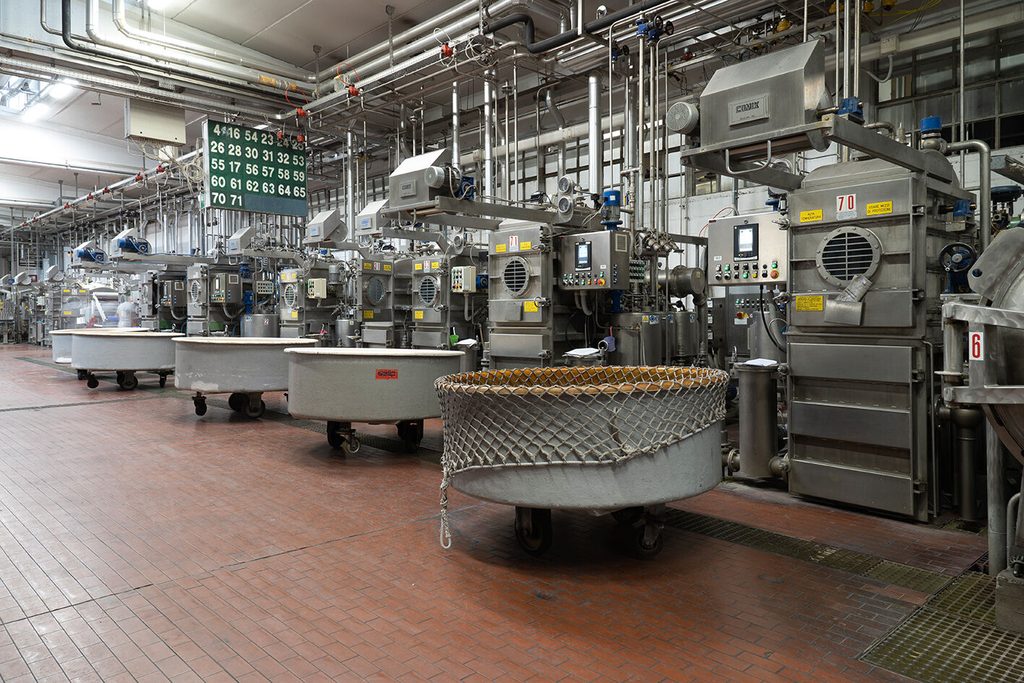
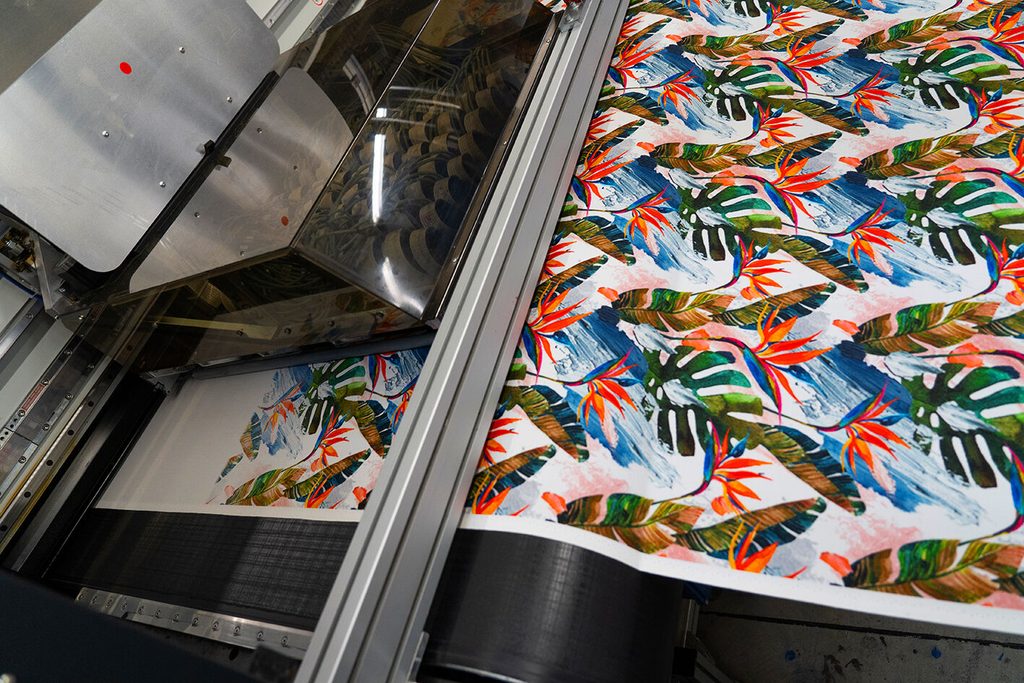
At its site in Masserano it is involved in the dyeing of all fibre types, mechanical and chemical-physical finishing, digital printing, fabric bonding and lamination. It’s production capacity reaches 4 million metres of fabric per year. It’s customer ranges from the fashion industry to the sportswear, automotive and biomedical industries.
Environmental Strategy
Environmental responsibility sits directly with the company owners, supported by a dedicated Chemical Manager and Compliance Manager overseeing the site’s environmental and quality management systems as well as sustainability certifications. Energy performance is continuously monitored and assessed through periodic audits, most recently conducted in 2023, helping the company to identify opportunities to improve efficiency.
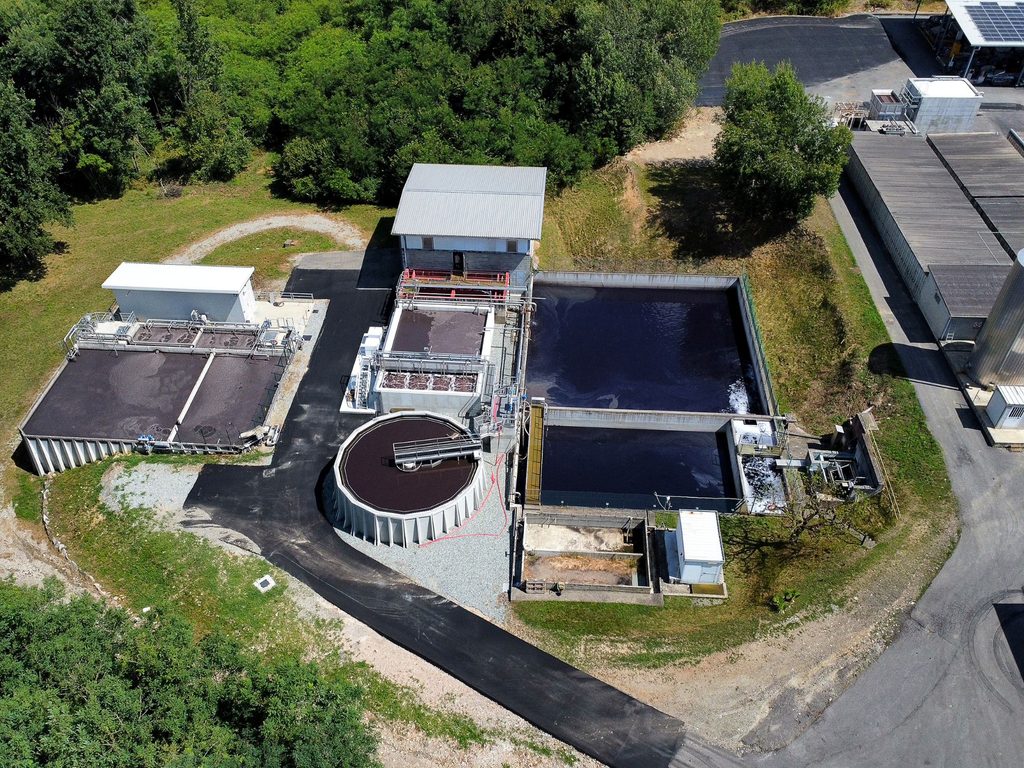
Given the nature of dyeing and finishing processes, chemical and water management are central to the company’s environmental approach. Tintoria Finissaggio 2000 applies the ZDHC framework for chemical management and has reached Excellence status under the 4sustainability Chemical Management programme, it holds as well the Level 2 certificate for Supplier to Zero Programme ZDHC.
The company also reduces water consumption by reusing production baths wherever technically feasible, limiting resource use directly within the production process.
Tintoria Finissaggio 2000 is a partner of Magnolab, a network of textile companies with shared pilot facilities for developing and testing innovative products and processes with a focus on circularity. Through this the company contributes to resource efficiency and material recovery projects, including initiatives to recover and repurpose unsold textile stock.
By ennobling fabric with passion, creativity, and expertise, we ennoble mankind.
Dino Masso, CEO and owner Tintoria Finissaggio 2000
Key data
€200,000
approximate annual cost savings thanks to photovoltaic and energy efficiency1
415 t CO2eq
annual emissions savings thanks to photovoltaic and energy efficiency2
Decarbonization Approach and Impact
Energy efficiency
Tintoria Finissaggio 2000 recovers thermal energy from its production processes. Heat from boiler flue gas condensate is recovered to preheat process water, saving an estimated 5.5% of the total heat demand. In addition, cooling water from machinery is recirculated rather than discharged, avoiding energy and water waste.3
Renewable electricity
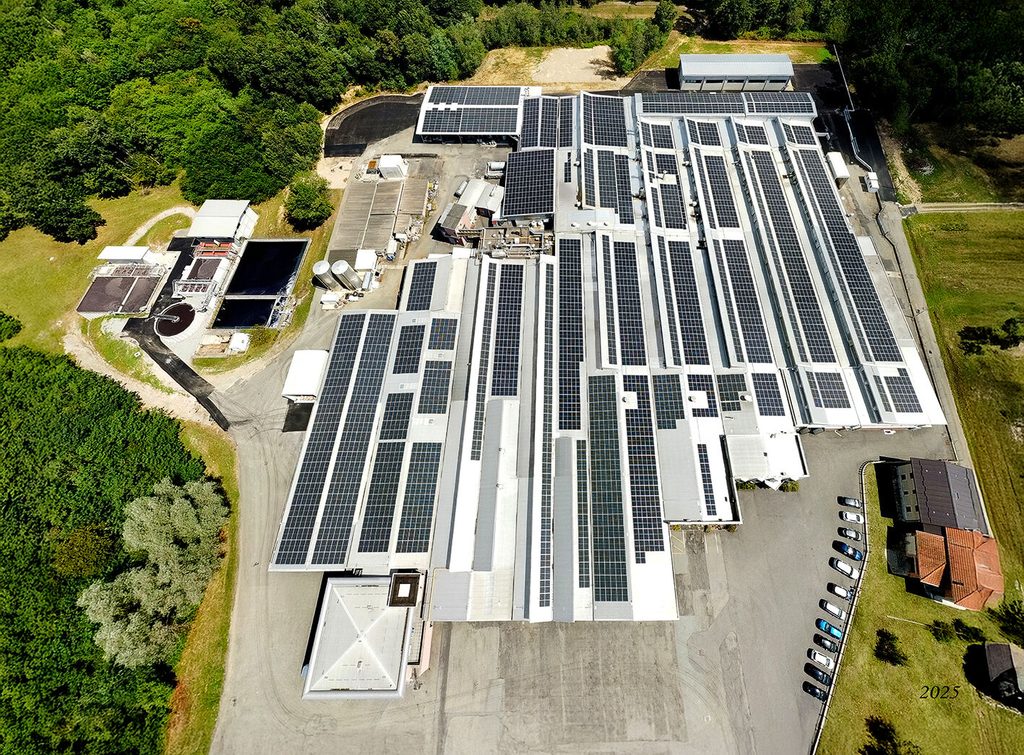
The company installed its first photovoltaic system in 2020. This has expanded three times and now covers all available roof space, with an installed capacity of 1.60MW, meeting an estimated 35% of the site’s electricity needs. Analysis confirmed the financial value of the investment, particularly given the energy-price volatility of recent years. The electricity consumed directly on-site is estimated to avoid around 400 tCO2eq emissions annually4.
Chemicals management
The company has invested in automatic dosing systems for dyes and auxiliary products. These ensure precise chemical use across production, with manual dosing reserved only for the sampling phase. The company also periodically updates its chemical inventory to phase out unnecessary products.
1. Considers gas and electricity savings. Quantis calculation for efficiency measures based on average Italian natural gas price and grid electricity prices (source: Eurostat)
2. Quantis calculation based on Italian grid emission factors market-based (source: AIB 2025) and natural gas emission factor (DEFRA)
3. Tintoria Finissaggio 2000’s own calculation
4. Quantis calculation based on Italian grid emission factors market-based (source: AIB 2025)
Looking ahead
Currently a third of the site’s photovoltaic output is fed back into the grid rather than consumed on-site, so Tintoria Finissaggio 2000 is moving ahead with energy storage designed to capture more of this surplus, increasing self-consumption and reducing reliance on the grid.
-
Case study
Clerici Tessuto
Case study Honouring history through a sustainable future Key facts Clerici Tessuto… Read more
-

Case study
The Decarbonisation Accelerator Framework
Practical roadmap to decarbonisation Suppliers across the fashion and luxury value chain… Read more
The information contained in these case studies has been provided by the relevant suppliers and is included in the Decarbonisation Accelerator Framework for illustrative and informational purposes only. The Fashion Pact has not verified the information provided, and makes no representation or warranty as to its accuracy, completeness or reliability. The case studies should not be regarded as an endorsement or recommendation by The Fashion Pact of the suppliers concerned or of their products or services.