Case study

Sustainability beneath the surface
LEM
Key facts
- Revenue class: €50 – 100M
- Number of employees: 250 – 500
- Production: 1.5 million pieces/year
- Featured site: Arezzo (Tuscany)
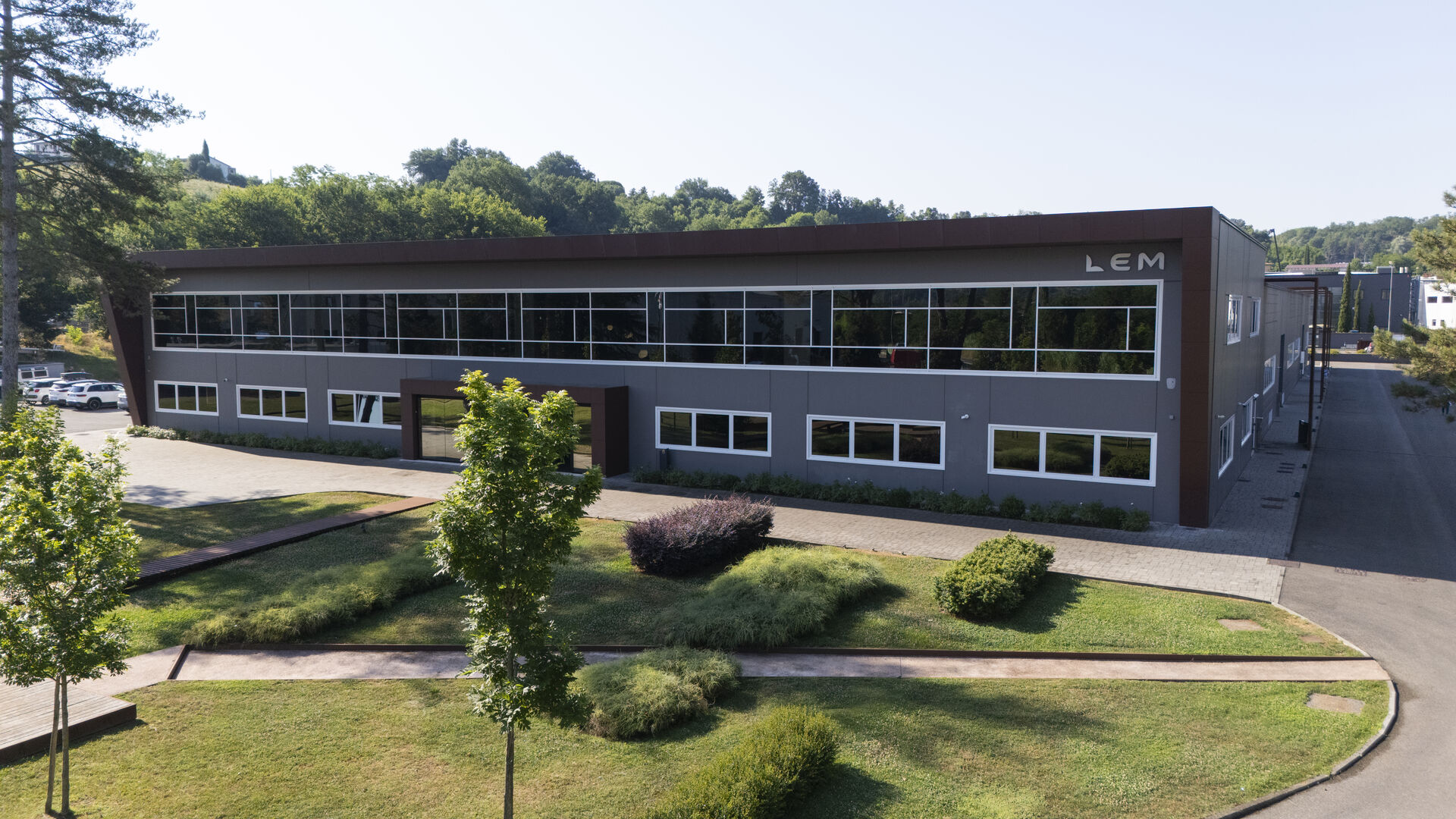
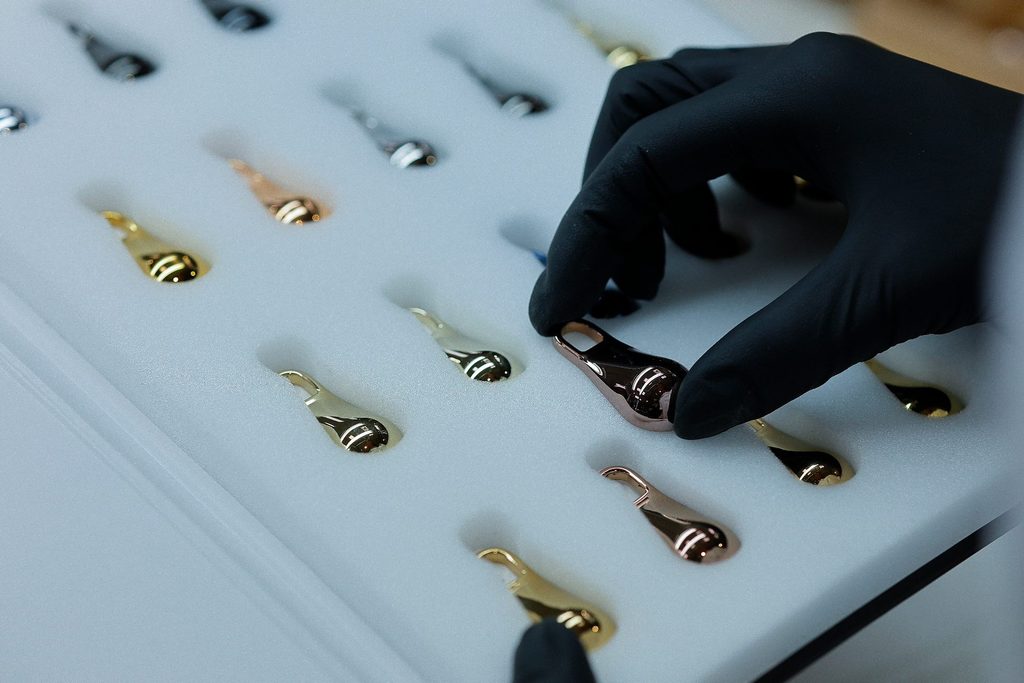
LEM is an Italian company specializing in surface finishing for metal accessories for the luxury and fashion market, and has been active since 1974.
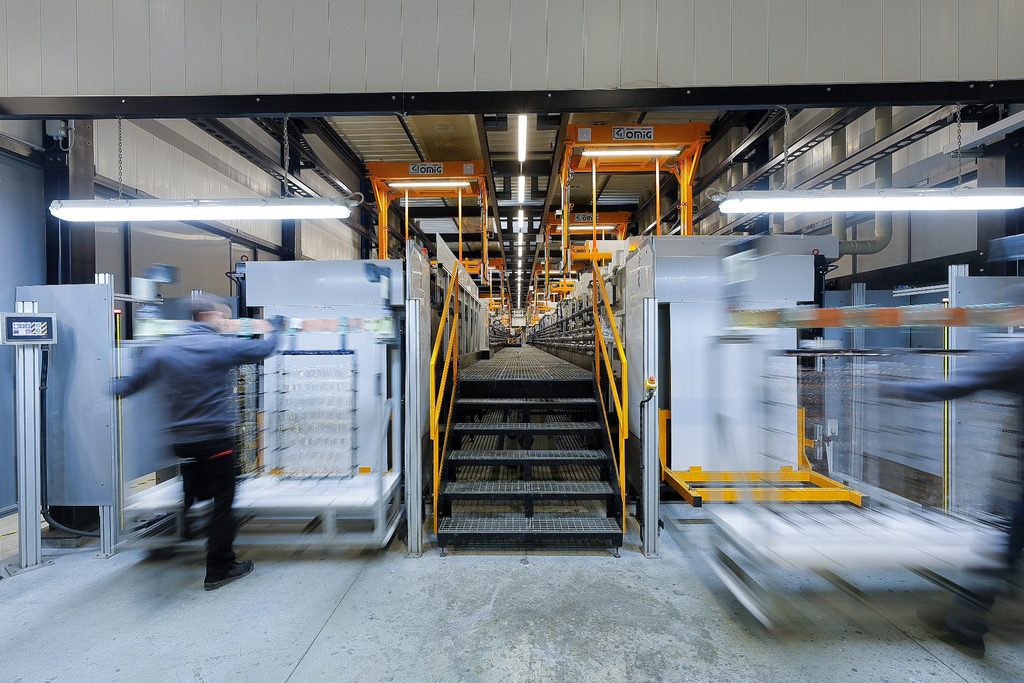
Based in Arezzo, Tuscany, LEM operates across three plants; a combined galvanic and PVD plant, a galvanic and vintage-finishing plant, and a third galvanic plant. Its products are used across fashion, jewellery and watchmaking, eyewear, and leather goods, as well as furniture and fittings.
Environmental Strategy
Sustainability governance was formalized in 2023 through the creation of a Sustainability Committee and a cross-functional Sustainability Team bringing together Environment & Safety, Energy Management, HR, and Marketing & Communication.
From 2026, LEM will also introduce a structured ESG risk-assessment module for all new investment projects, giving project managers a shared framework to evaluate environmental, supply-chain and governance risks from the earliest planning stages.
Initiatives include sourcing gold and palladium exclusively from recycled inputs, increasing traceability through RJC Chain of Custody certification; adopting technologies that reduce water demand; and strengthening waste monitoring and recovery.
The company also shares technical insights on its corporate blog to support the wider industry transition.
Our mission as a team is not limited to publishing an annual report or mitigating impacts. It is to build trust through method and create the conditions for LEM’s longevity, ensuring the protection of present and future generations of the territory.
LEM Sustainability Team
Key data
Around
€100,000
annual cost savings thanks to photovoltaic system and energy efficiency1
~1,300 t CO2eq
annual emissions savings thanks to photovoltaic system, renewable electricity purchased and energy efficiency2
Decarbonization Approach and Impact
Energy efficiency
An advanced energy monitoring system, integrated with the company’s management software, collects and stores real-time data on consumption and grid quality across the site. This allows the control of specific energy loads based on production activity, supporting more efficient management of the plant.
Building on this data, LEM has invested in voltage optimizers that regulate voltage according to the site’s operating requirements. The intervention, supported by Italy’s Industria 5.0 incentive framework, has reduced the site’s energy consumption by more than 5%, with an expected payback time of 3 years3. Improved voltage stability also helps limit thermal losses and reduce stress on machinery and instrumentation, supporting longer equipment life.
Renewable Electricity
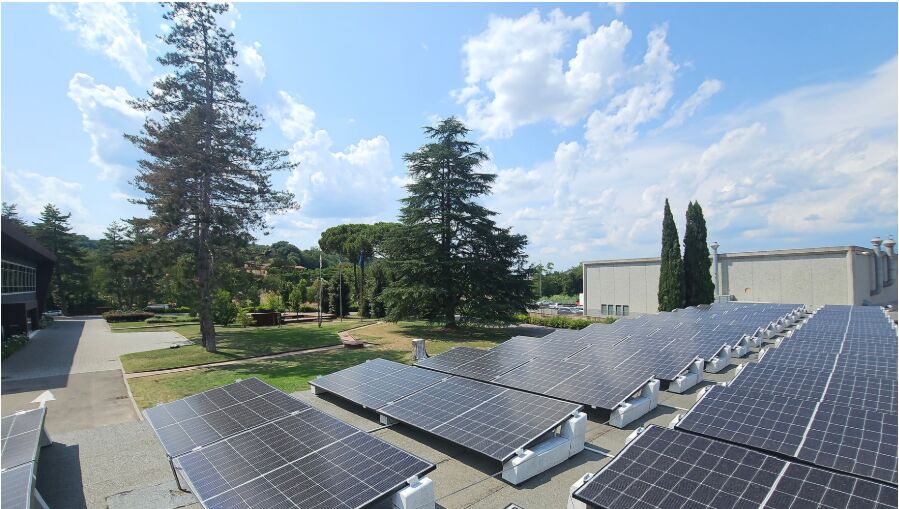
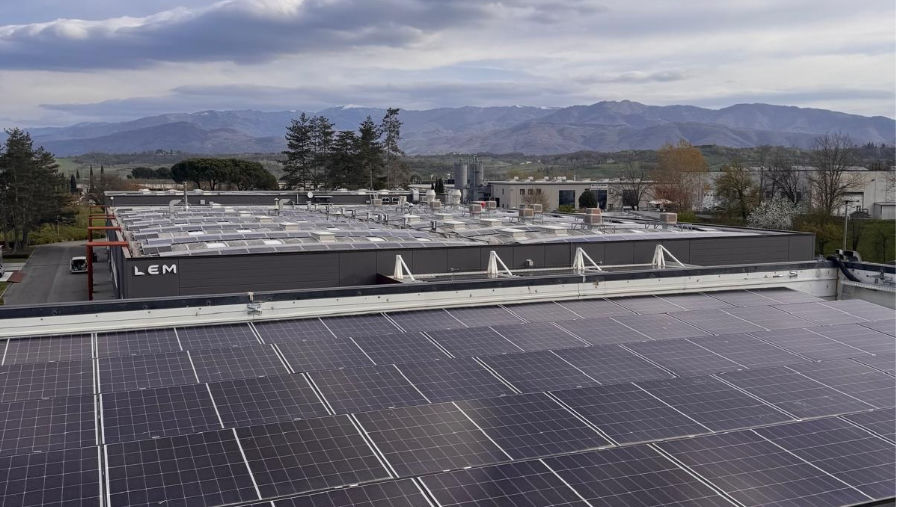
Photovoltaic capacity has grown to over 320 kWp, around 10% of the site’s electricity consumption. The payback is two years4 thanks to participation in Italy’s Industria 5.0 incentive framework program (2024-2025), which covered part of the investment.
Remaining electricity demand is covered through Guarantees of Origin from renewable sources. Together, on-site generation and renewable electricity procurement have enabled LEM to cover 100% of its electricity consumption with renewable sources, bringing its market-based Scope 2 emissions to zero.
Electrification
Completed in 2021, the site was designed from the outset to be fully electrified. Heat pumps provide heating, cooling and hot water through an integrated system that recovers and reuses heat internally. The system serves office spaces and production processes, including the heat exchangers used for galvanic tanks and the cooling liquids required for PVD processes.
Natural gas is used only as a backup and thanks to this fully electrified setup, Scope 1 emissions have been significantly reduced.
Process Innovation
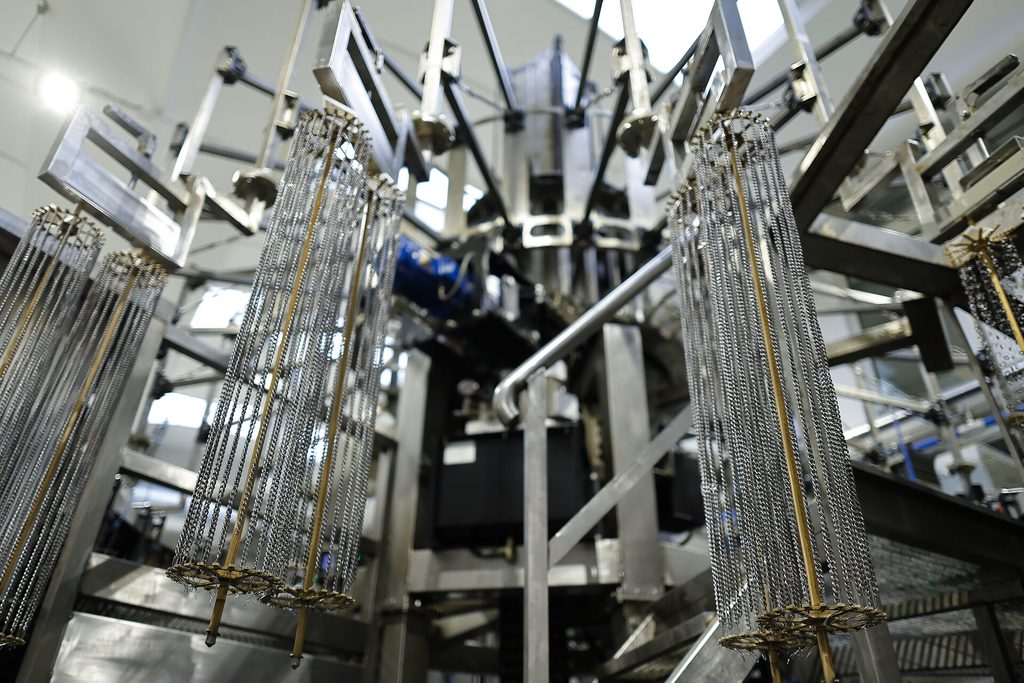
Alongside its traditional galvanic process, LEM has invested in PVD, becoming one of the first Italian companies to industrialize this technology for the luxury accessories market.
Where galvanic plating relies on chemical baths containing precious metal salts, PVD deposits materials directly through a vacuum-based process, avoiding the need for chemical baths beyond initial cleaning.
At the featured site, the two technologies work side by side, each processing roughly half of total volumes. For LEM, electroplating through galvanic processing and PVD are complementary. Depending on the base material, particularly brass, zamak, or aluminium, the PVD coating may require a preparatory galvanic cycle before the actual deposition. In LEM’s case, PVD is associated with two thirds less water use, 80% less sludge waste produced, 50% less chemical use, and reduced health and safety risk for employees.5
1 .Quantis calculation for efficiency measures based on average Italian grid electricity prices (source: Eurostat)
2 .Quantis calculation based on Italian grid emission factors market-based (source: AIB 2025)
3. LEM’s own calculation
4. LEM’s own calculation
5. Source
Looking ahead
Certifying energy management
By 2027, LEM plans to achieve ISO 50001 certification for its energy management system, establishing a structured framework to monitor and continuously improve energy performance, reduce waste and increase efficiency across its plants.
Virtual Remote self-consumption
LEM is developing a project to share renewable electricity virtually across all of its production sites, so that solar power generated at one site can offset consumption at another, even where on-site generation is limited. The initiative also carries a social dimension: part of the government incentives associated with the scheme will be reinvested in support of the local community.
Doubling photovoltaic capacity
LEM has planned a major investment to double its photovoltaic output, with the installation of solar canopies in the parking area within the site, to be completed in 2027. The project will double the plant’s currently available capacity, from around 320 kWp to around 700 kWp.
-
Case study
Jaco Pellami
Case study Combining automation, efficiency, and renewables Key facts Jaco Pellami is… Read more
-

Case study
The Decarbonisation Accelerator Framework
Practical roadmap to decarbonisation Suppliers across the fashion and luxury value chain… Read more
The information contained in these case studies has been provided by the relevant suppliers and is included in the Decarbonisation Accelerator Framework for illustrative and informational purposes only. The Fashion Pact has not verified the information provided, and makes no representation or warranty as to its accuracy, completeness or reliability. The case studies should not be regarded as an endorsement or recommendation by The Fashion Pact of the suppliers concerned or of their products or services.