Case study

How automation, efficiency, and energy shifts can cut emissions and costs for leather processing
Bonaudo
Key facts
- Revenue class: €100 – 125M
- Number of employees: > 150
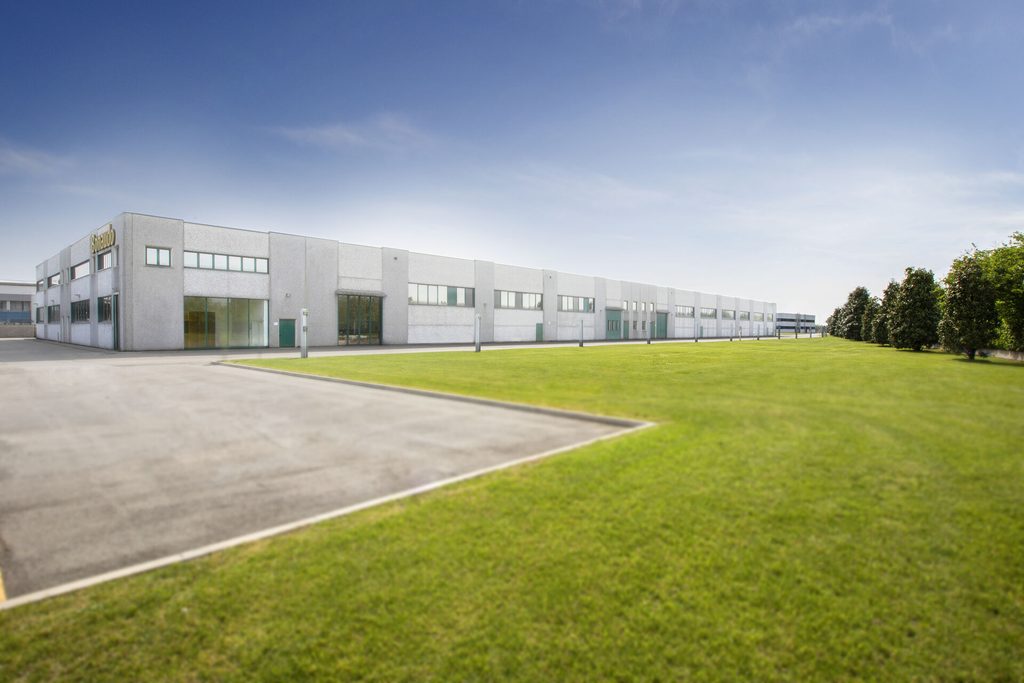
- Sites: 5 (Montebello Vicentino, Vicenza; San Giovanni Ilarione, Verona; Santa Croce sull’Arno, Pisa, and two in Cuggiono)
- Featured site: Montebello Vicentino (Vicenza)
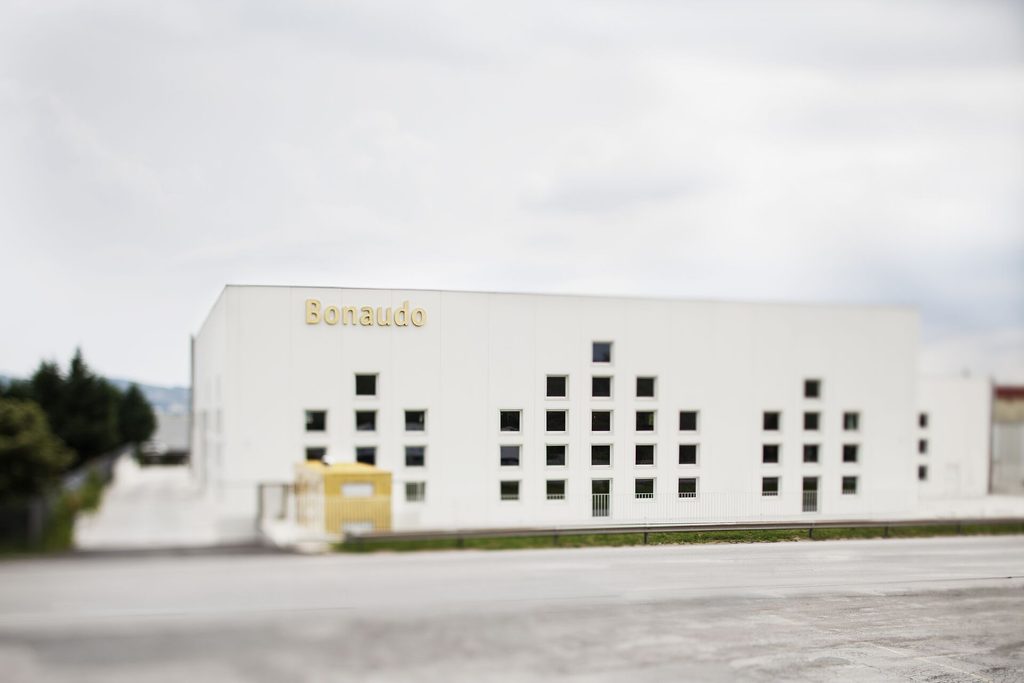
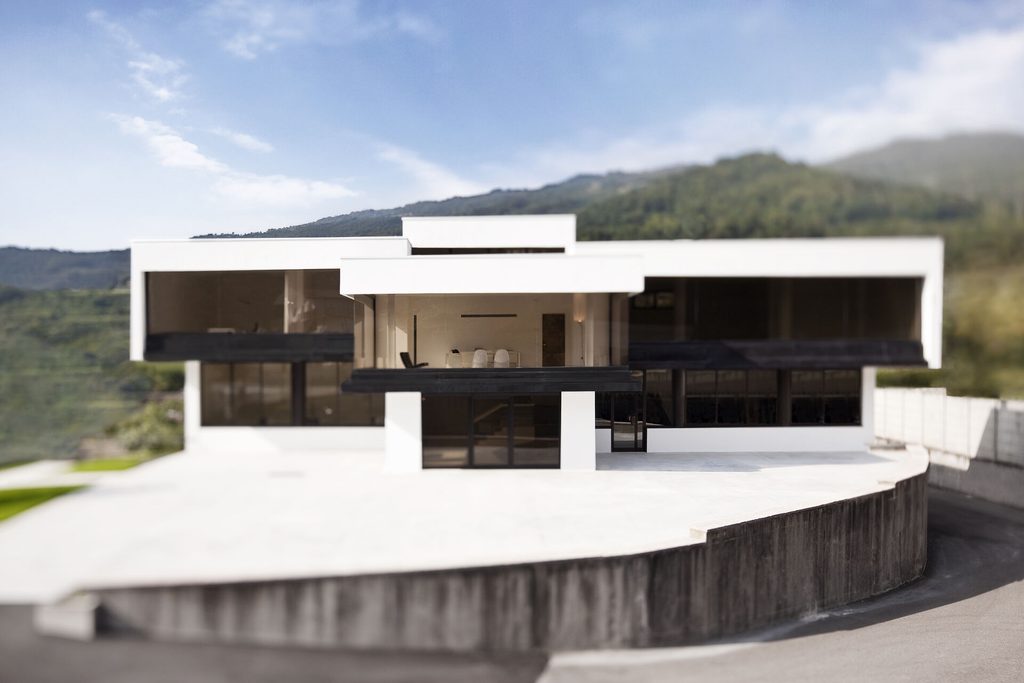
Founded in 1923, Bonaudo is a family-run tannery group operating across five sites. It has grown from a single tannery into an integrated group covering tanning, retanning, dyeing and finishing for the leather goods, footwear and garment industries.
Environmental Strategy
A manager oversees quality, environmental and safety management systems across the group, supported at site level by a manager responsible for environment and safety. Through this system, the group monitors process, energy, water and chemical consumption annually, benchmarking performance against previous years.
All sites have Gold-level certification from the Leather Working Group (LWG), alongside ISO 9001, ISO 14001 and ISO 45001, and follow the UNIC Code of Conduct for the leather industry and ZDHC Level 1 requirements for chemical management.
At our Vicenza site we use hot water instead of steam as the heat carrier, rationalized batches and production sequences and optimized our recipes: since 2022 the natural gas used per square meter of leather has halved and electricity per square meter has fallen by almost 40%. The next step is heat pumps for process water.
Niccolò De Lorenzo, Managing Director, Bonaudo
Key data
€10,000
approx. annual cost savings thanks to energy efficiency on gas consumption1
Around
240 t CO2eq
emissions savings thanks to renewable electricity purchased and energy efficiency on gas consumption2
Decarbonization Approach and Impact
Energy efficiency
The tanning and dyeing drums at Bonaudo’s Vicenza site are equipped with inverters, reducing start-up peaks and allowing unused machinery to shut down automatically. This results in up to a 20%3 reduction in the machines’ electricity consumption in some applications. Additionally, high-efficiency electric motors have been installed on around 20% of the site’s machinery.
LED lighting covers around 90% of the site, with remaining units being replaced. This will cut lighting-related energy consumption by roughly 50% compared to conventional systems, further reducing costs.
Switching from steam to hot water as the heat carrier for its processes has allowed the site to avoid losses typical of steam systems (equal to roughly 15–20% of the gas used). The site has also rationalized batch sizes and production sequences to raise machine utilization.
Overall, between 2022 and 2025 the site reduced electricity use per m² of leather by 39% and natural gas use per m² by 51%4.
Renewable electricity
Bonaudo sources 100% of its purchased electricity from renewable sources backed by Guarantees of Origin, avoiding an estimated 200 tCO2 eq per year5 compared to the Italian residual mix.
Chemicals management
Automatic weighing and dosing systems being installed at Vicenza are expected to cut chemical use by around 5% (by volume). The traceability of chemical batches used in production will also be improved.
The company is continuing to optimize its chemical recipes, refining formulations to achieve the same results with less product. As a result, the amount of tanning chemicals used per m² of leather at the Veneto sites has already fallen significantly in recent years.
AI-supported automatic hide selection at the wet-blue stage has improved hide allocation for processing, better aligning output with client-specific criteria and potentially reducing the finished-hide waste rate – currently 3%.
Since hides discarded at the finished stage have already gone through the full chemical treatment process, reducing this waste rate is expected to also lower chemical inputs ultimately spent on hides that do not reach final sale.6
1. Quantis calculation for efficiency measures based on average Italian natural gas prices for non-household consumers (source: Eurostat)
2. Quantis calculation based on Italian grid emission factors market-based (source: AIB 2025) and emission factor from natural gas (source: Ecoinvent 3.12)
3. Bonaudo’s own calculation
4. Bonaudo’s own calculation
5. Quantis calculation based on Italian grid emission factors market-based (source: AIB 2025)
6. Bonaudo’s own calculation


Looking ahead
Photovoltaic installation
From 2027, Bonaudo plans to install photovoltaic capacity with additional panels on its roof at the site.
Heat pumps for process water
The next step under evaluation is the adoption of heat pumps to heat process water. At Vicenza, heat pumps for hot water are expected to cut natural gas use by about 40%.
Heat recovery from drum wastewater
The group is evaluating heat exchangers to recover heat from the wastewater discharged by tanning drums, capturing energy that would otherwise be lost and making it available for reuse elsewhere in the process.
-
Case study
Gruppo Florence
Case study How renewable electricity and electrification at Gruppo Florence’s Ideal Blue… Read more
-

Case study
The Decarbonisation Accelerator Framework
Practical roadmap to decarbonisation Suppliers across the fashion and luxury value chain… Read more
The information contained in these case studies has been provided by the relevant suppliers and is included in the Decarbonisation Accelerator Framework for illustrative and informational purposes only. The Fashion Pact has not verified the information provided, and makes no representation or warranty as to its accuracy, completeness or reliability. The case studies should not be regarded as an endorsement or recommendation by The Fashion Pact of the suppliers concerned or of their products or services.